Walk through any thriving neighborhood, and you’ll notice one common thread: it feels fresh, safe, and organized. That doesn’t happen by accident. Behind the scenes, structured systems ensure trash doesn’t pile up, harmful waste doesn’t linger, and recyclables are given new life. This is where community waste disposal plays a central role, keeping towns livable and residents healthier. Without it, we’d quickly see overflowing bins, polluted air, and streets that no longer invite families outdoors.
The Everyday Role of Community Waste Disposal
In the second paragraph, it’s important to stress how community waste disposal in Seattle, WA shapes public spaces. It’s more than just hauling garbage away; it’s the cornerstone of keeping neighborhoods sanitary and functional.
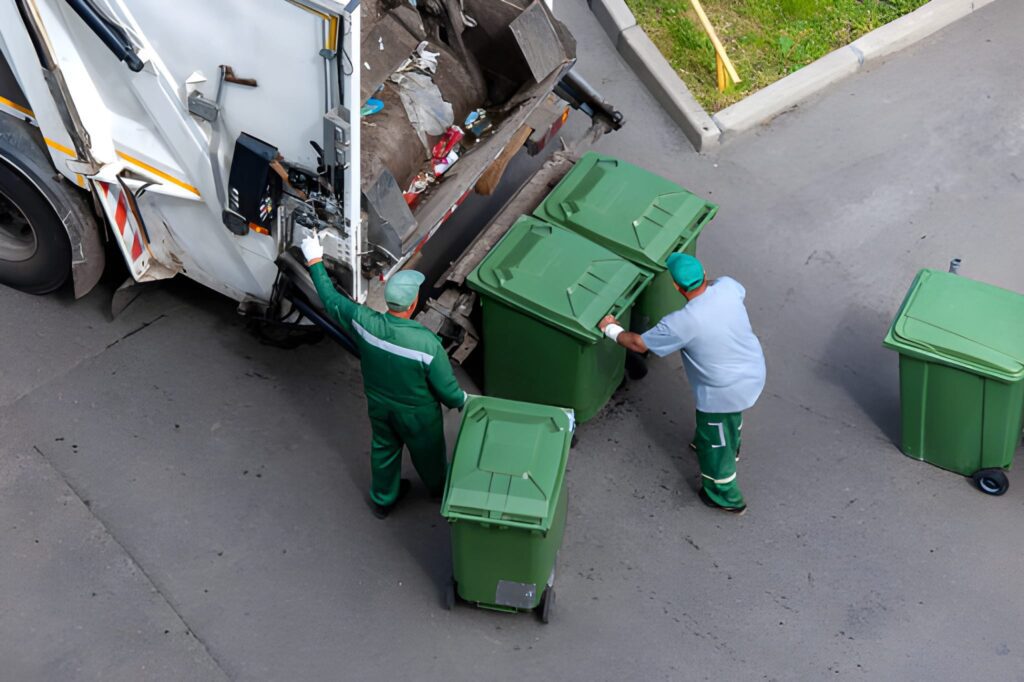
Municipal crews, supported by residents, maintain weekly pickup schedules, organize bulk collections, and ensure dangerous items like batteries or paint don’t end up in landfills. These efforts create a chain of cleanliness and safety that benefits everyone.
Recycling and Composting Services: Reducing Waste at the Source
Not everything belongs in a trash bin. Recycling and composting services give items a second life while shrinking landfill usage. Paper, plastics, and metals can be transformed into new products, while food scraps become nutrient-rich compost.
Benefits include:
- Less landfill waste, reducing harmful methane gas.
- Turning food scraps into natural fertilizer.
- Lower demand for raw materials, conserving resources.
When households take part, the impact multiplies across entire communities.
Why Professional Trash Removal Matters
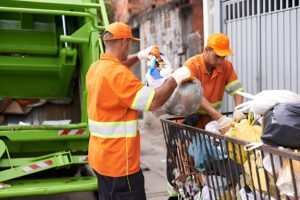
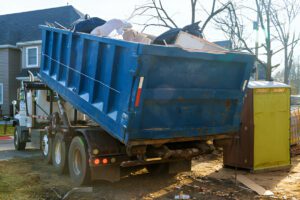
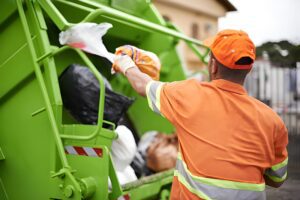
It may sound simple, pick up the garbage and take it away. But in reality, professional trash removal requires trained teams, specialized vehicles, and adherence to safety guidelines. Overflowing dumpsters or missed pickups don’t just look bad, they can attract pests and pose health risks.
Reliable services ensure:
- Streets remain clear and hygienic.
- Businesses and homes maintain clean surroundings.
- Hazardous items are handled with proper care.
This consistency makes neighborhoods more pleasant and appealing to residents and visitors alike.
Eco-Friendly Waste Solutions for Modern Communities
As towns grow, traditional disposal methods alone aren’t enough. That’s why cities turn to eco-friendly waste solutions that combine technology with sustainability. These practices are designed to lower environmental impact while still meeting community needs.
Examples include:
- Smart bins that track fullness and reduce unnecessary pickups.
- Waste-to-energy facilities converting trash into electricity.
- Biodegradable packaging that simplifies disposal.
These measures not only cut down on pollution but also encourage residents to live greener lifestyles.
Neighborhood Cleanliness Initiatives: More Than Just Trash Pickup
Some programs go beyond garbage collection. Neighborhood cleanliness initiatives often involve volunteer events, education campaigns, and school programs to instill pride in shared spaces.
They may include:
- Community clean-up days.
- Local recycling drives.
- Awareness workshops for children and families.
By combining formal services with citizen involvement, neighborhoods stay not just clean but connected.
Municipal Waste Management and Its Wider Impact
At the foundation of every clean city lies effective municipal waste management. Local governments coordinate collection schedules, invest in infrastructure, and oversee recycling plants. Without these systems, private efforts would struggle to make lasting change.
Strong city-level management ensures:
- Equal access to waste services in all neighborhoods.
- Investment in long-term environmental projects.
- Public accountability for cleanliness and safety.
This partnership between authorities and residents keeps entire communities running smoothly.
Frequently Asked Questions
How often should trash be collected in neighborhoods?
Most communities operate weekly pickup, though busy areas may need more frequent service.
What items shouldn’t go in regular trash bins?
Batteries, electronics, paint, and chemicals require specialized disposal.
How does composting help the environment?
It diverts food waste from landfills and creates nutrient-rich soil.
Can recycling really make a big difference?
Yes. Recycling reduces resource use, saves energy, and lowers pollution.
Who manages waste collection in most cities?
Typically, local municipal departments oversee services in partnership with contractors.
Conclusion: Building a Cleaner Future Together
Waste management is more than a service; it’s a promise of healthier, more vibrant living. From recycling and composting services to professional trash removal, each step works together to create a lasting impact.
When residents support neighborhood cleanliness initiatives and cities strengthen municipal waste management, communities flourish. Cleaner streets, safer play areas, and greener lifestyles are no longer dreams; they have become daily realities. And at the center of it all lies the simple yet powerful act of disposing of waste responsibly.
Support Cleaner Living with Community Waste Disposal
Cleaner streets, healthier air, and stronger communities all begin with responsible action. By supporting community waste disposal, recycling programs, and eco-conscious efforts, you help shape a safer environment for future generations. Make the choice today to participate actively in keeping your neighborhood clean.